Florestal and Mining units reinforce the company’s commitment to environmental protection
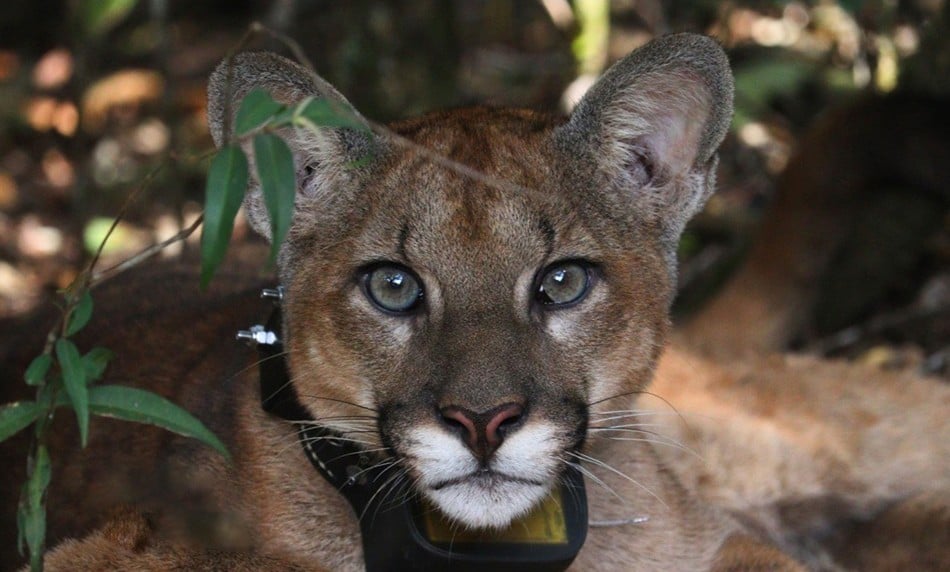
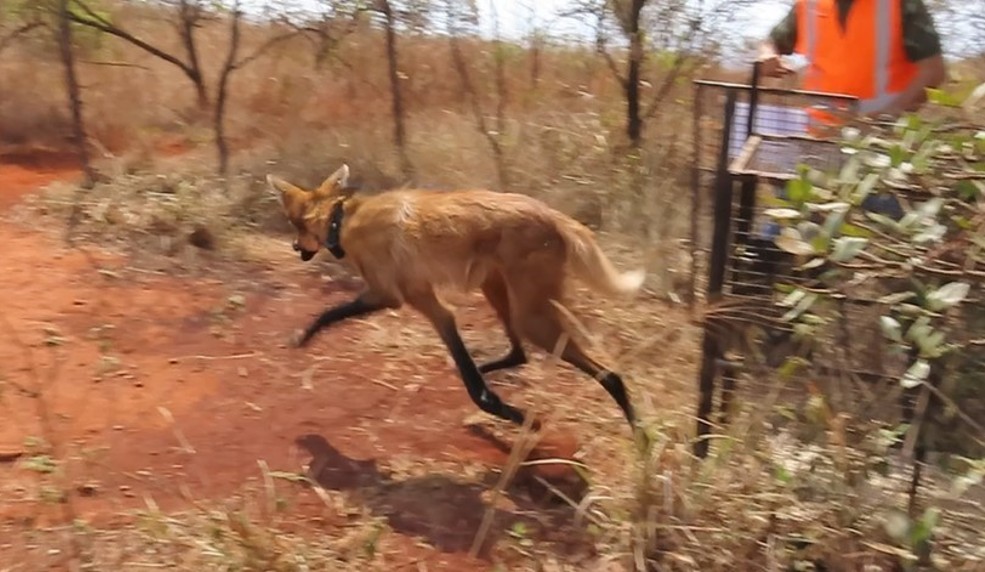
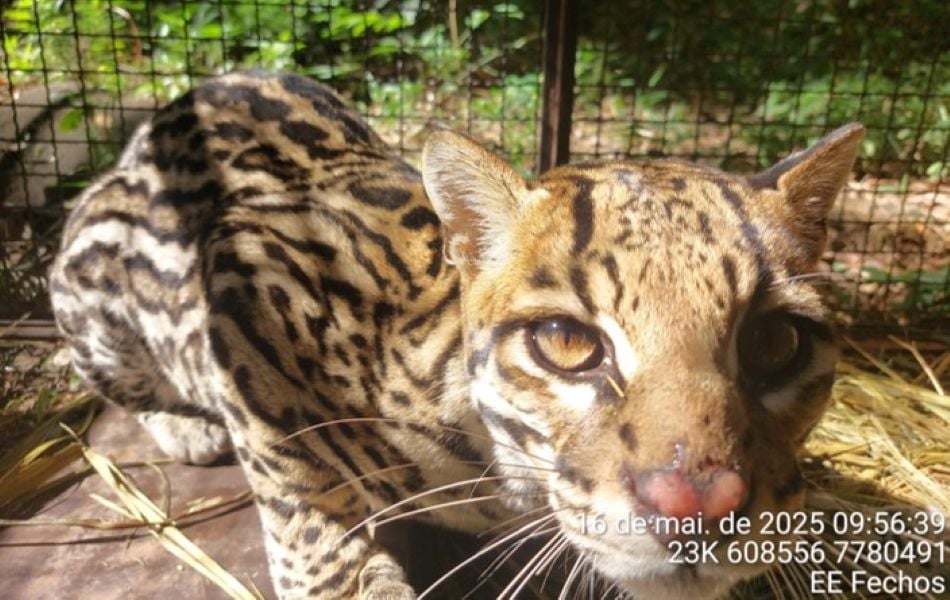
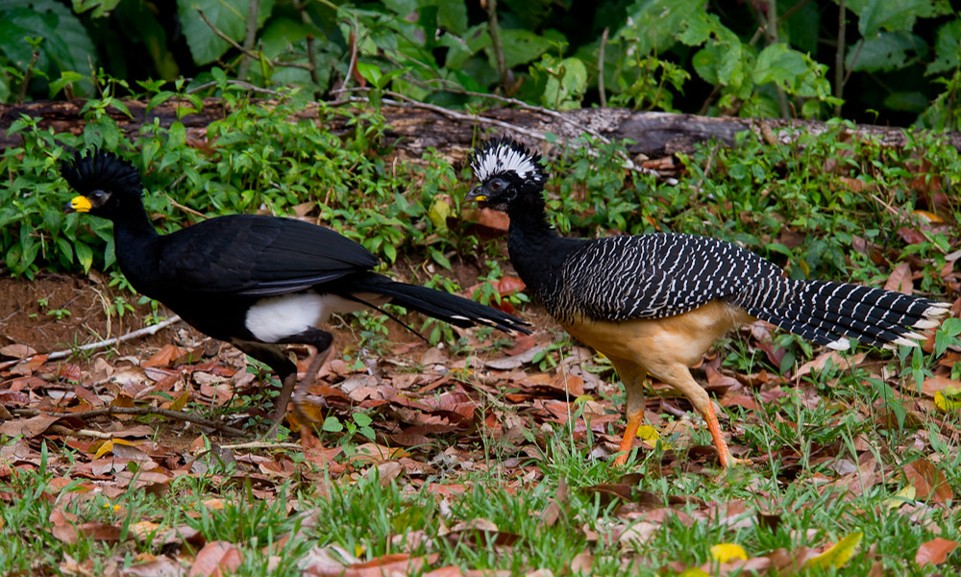
Puma, ocelot, maned wolf, bare-faced curassow, blue-and-yellow macaw, giant anteater, otter, tapir, Brazilian rabbit, and nectar-feeding bat. This list illustrates the unique richness of the Cerrado and Atlantic Forest biomes across several regions of Minas Gerais, while also revealing species currently considered endangered. Through its Wildlife Monitoring Programs, Vallourec South America’s Florestal and Mining units monitor and contribute to the conservation of these animals, reinforcing the company’s commitment to environmental protection, biodiversity, and the rational use of natural resources.
In addition to identifying and monitoring key species for maintaining ecosystem balance, the Wildlife Monitoring Programs also carry out continuous assessments of habitat integrity, promote scientific knowledge about regional fauna, and comply with environmental requirements to ensure sustainable operations.
At the Mining unit, located in Brumadinho (MG), the program covers various fauna groups and small, medium, and large mammals. One of its main focuses is monitoring endangered species, using GPS and radio telemetry collars to track maned wolves, ocelots, and pumas. In addition, a specific program is dedicated to monitoring and attempting to capture the harpy eagle. “As Vallourec Mining has achieved excellent results in monitoring these animals, some of the data collected is unprecedented for the region, and we share them with organizations such as the IEF (the State Forestry Institute) and IBAMA (the Brazilian Institute of Environment and Renewable Natural Resources),” explains Environmental Analyst Pedro Mello. Monitoring is carried out in compliance with environmental requirements, in partnership with the State Government, IBAMA, and nearby Conservation Units, such as Serra do Rola Moça State Park, Fechos State Ecological Station, and Serra da Calçada Municipal Natural Monument.
Vallourec Forestal, responsible for producing charcoal from sustainably managed forests, preserves more than 64,000 hectares distributed across Bocaiúva, Curvelo, and João Pinheiro, areas within the Cerrado biome and the transition zone to the Atlantic Forest. Wildlife monitoring is conducted through photographic records, active searches, and trace analysis, confirming the constant presence of emblematic and endangered species such as the puma, giant anteater, and tapir. According to Environmental Analyst Ricardo Paiva, the implementation of ecological corridors – strips that connect fragmented areas of native vegetation, such as forests or conservation units – has strengthened the actions of the Wildlife Monitoring Program. “Corridors facilitate animal movement, seed dispersal, and genetic exchange between isolated populations, promoting biodiversity conservation and mitigating the impacts of human activity,” Ricardo adds.